Apparel
Johnny Was Kimonos: Silk, Rayon Blends and the $2,600 Question
Johnny Was kimonos from $328 to $2,600 judged on the brand's own fabric and care labels — the 100% silk piece is the only one you can hand wash, and one blend to skip.
Clothing, shoes & accessories, honestly reviewed
Apparel
Johnny Was kimonos from $328 to $2,600 judged on the brand's own fabric and care labels — the 100% silk piece is the only one you can hand wash, and one blend to skip.
By Claire Whitmore · Fashion Editor
Last updated September 20, 2026
Some links below are affiliate links — if you buy through them, we may earn a commission at no additional cost to you.
Best 100% Silk
4.4/5The only current kimono labeled hand washable — turn inside out, wash gently, lay flat — and it is the 100% silk piece, not one of the blends.
~$445 suggested
Best Blend Value
4.1/582% rayon 18% silk at $47 less than the silk piece — accept the dry clean only label and it is the cheapest entry into the brand's print language.
~$398 suggested
Best Short Cut
3.9/572% viscose 28% silk cropped to a 23 3/4 inch front length — a top-layer piece rather than a topper, and the priciest of the three picks.
~$498 suggested
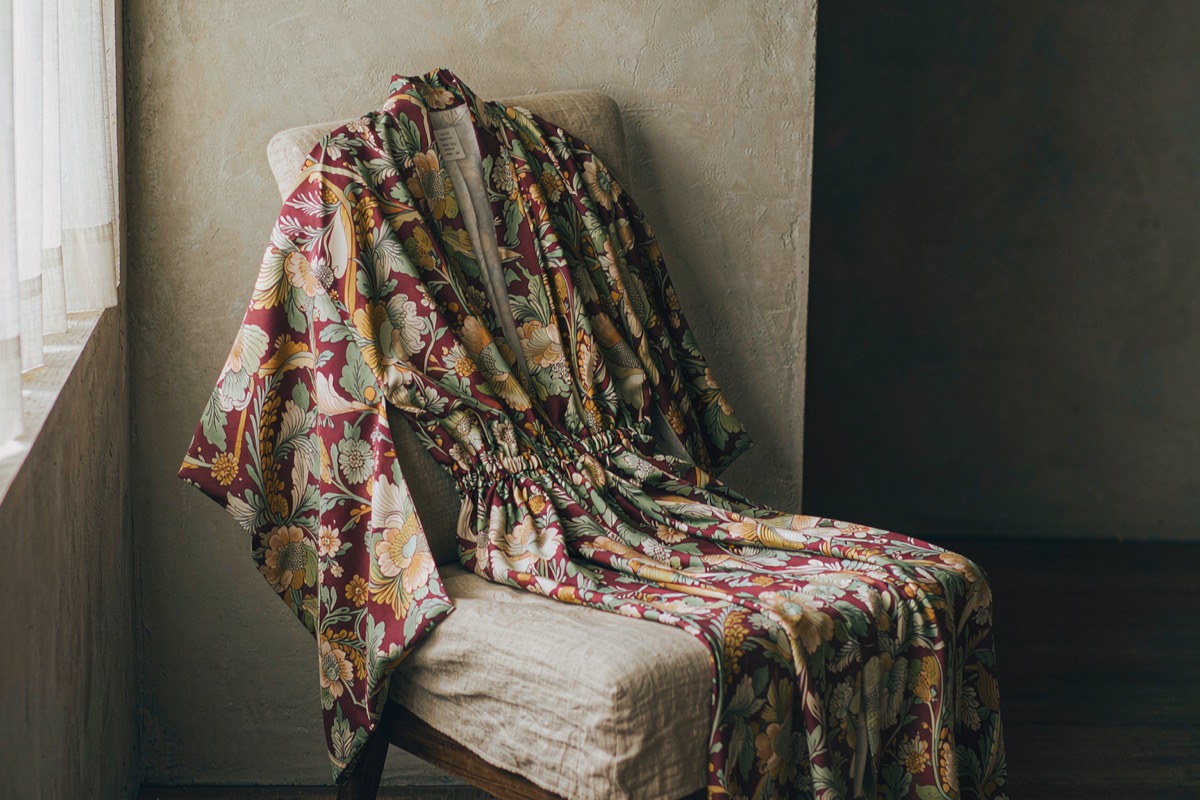
The kimono is the piece Johnny Was is known for, and it is also where the brand’s pricing spreads widest: $328 to $2,600 within one category. The product pages give you everything you need to navigate that range — exact blends, care instructions, garment measurements for a size Medium — and the labels tell a story the prices do not. The single most useful fact on this page: the 100% silk kimono is the only one in the current line-up you can hand wash.
The Aphra Kimono ($445, 100% silk) says turn inside out, hand wash gently, lay flat to dry. The Wide Hem Kimono ($398, 82% rayon 18% silk), the Shakri Short Kimono ($498, 72% viscose 28% silk) and the Velvet Cropped Kimono ($398, 82% rayon 18% silk) all say dry clean only.
Read that again and the paradox lands. The pure silk piece, the fiber with the reputation for high maintenance, is the one that goes in your sink. The rayon blends, which feel like casual wear, are the ones that demand a professional cleaner every time. If low maintenance matters to you, the pure silk piece is the easier owner experience than the cheaper-feeling blends.
Note also what the rayon-heavy blends are: they wrinkle faster than silk and cost nearly the same here. Ratings on this page are editorial — each pick is scored on fabric, care burden and price against the rest of the line, because the brand publishes no user reviews of its own.
| Product | Fabric | Care | Price |
|---|---|---|---|
| Aphra Kimono | 100% silk | Hand wash, lay flat | ~$445 |
| Wide Hem Kimono | 82% rayon, 18% silk | Dry clean only | ~$398 |
| Shakri Short Kimono | 72% viscose, 28% silk | Dry clean only | ~$498 |
| Velvet Cropped Kimono | 82% rayon, 18% silk | Dry clean only | ~$398 |
| Melba Boucle Kimono | 100% polyester | Dry clean only | ~$328 |
The line prices out in four rungs, and each rung buys something specific. At $328, the Melba Boucle buys 100% polyester. At $398 to $445, the Wide Hem, Velvet Cropped and Aphra buy rayon-silk blends or pure silk, all in the brand’s print language. At $498, the Shakri buys a higher silk share (72% viscose, 28% silk) in a shorter crop. Then the ladder jumps: $1,800 to $2,600 for the long patchwork silk constructions at the top.
The jump is the part worth pausing on. Nothing between $498 and $1,800 exists, so the brand does not pretend the long kimonos are an incremental upgrade — they are a different product class built from different economics. Most buyers land on one of the middle rungs, which is exactly where the care-label paradox above should steer the choice.
Watch the care column as you climb, because it barely moves. Every rung up the ladder buys more silk content and more construction, but only the pure silk piece buys a laundry option. The $498 Shakri, the second-most expensive short kimono, carries the same dry clean only label as the $328 polyester Melba. Price and care burden are two independent axes here, and the label is the only place both are printed.
The label is not automatically a dealbreaker. It depends on how often the garment gets dirty, and a kimono is a favorable case: worn as a top layer, over clothes that take the sweat and contact, it stays clean far longer than a dress would. A layering piece worn a dozen times a year might genuinely need one professional cleaning a season, and at that frequency the recurring cost stays manageable.
The unfavorable case is everyday wear. If the kimono is your default throw-on layer four or five days a week, a dry clean only label turns into a monthly invoice and a rotation problem — the piece is either at the cleaner or waiting for it. That is the situation where the Aphra’s hand-washable label justifies its $445 over a $398 blend, since the $47 difference pays for itself within the first year of ordinary use.
Between those poles, the honest test is to count your cleanings before you buy. Estimate how many times a year the piece will need more than a steam, multiply by your cleaner’s price, and add the total to the sticker before comparing kimonos across rungs.
The Melba Boucle Kimono is the cautionary line item: $328 for 100% polyester, with a dry clean only label. A synthetic boucle at this price is paying for the print alone, and dry cleaning a polyester garment compounds it — you pay professional-care prices for the least valuable fiber in the line.
Reviewed’s 2023 review of the brand, by Liv Birdsall, landed on the same conclusion from a different angle: after a month of weekly wear she found the construction fine but the quality not clearly better than budget brands, and flagged that the brand’s kimono category sits on borrowed design language without acknowledging it. We agree with the first point and note the second as context for what you are buying. Neither issue is unique to the Melba, but at $328 in polyester the gap between price and material is at its widest.
The label gives three instructions, and each one has a reason. Turn it inside out so the print face rubs against nothing but itself during washing. Hand wash gently in cool water: silk fibers are strongest dry and more fragile when saturated, so brief handling in cool water is the least stressful treatment the fabric can get. A small amount of detergent made for silk or delicates is enough; regular detergent is formulated for sturdier fibers.
Lay flat to dry, away from direct sun and heat. Hanging a wet silk kimono puts the garment’s own water weight on the shoulders, and wringing it out twists and breaks the fiber surface. Roll it once in a clean towel to blot the water out, then spread it flat on a dry towel and let air do the rest. The whole process takes ten minutes of attention, and it is the reason the Aphra costs less to own than any dry-clean-only piece in the line despite being the most expensive short kimono.
One more habit extends the intervals between washes: air the garment out instead of defaulting to water. Silk releases most everyday odors when a kimono hangs in a ventilated room for a night, and because the piece is a top layer it picks up far less soil than the clothes underneath it. Wash when it is actually soiled or smelly, not on a schedule, and the fabric ages slower for it.
Rayon and viscose have one property that matters more than any label here: they lose much of their strength when wet. That is why the blends carry dry clean only labels — professional solvents clean without ever soaking the fiber — and it is also why a rayon kimono should never be squeezed, twisted or machine washed on a hopeful guess.
The same fibers crease readily, so a rayon blend pulled from a suitcase or the back of a closet needs steam rather than a hot iron pressed hard on the surface. Steaming lifts the wrinkles and freshens the print between cleanings, which stretches out how often the dry cleaner sees the garment. It does not eliminate the recurring cost, but it is the difference between four cleanings a year and two.
At the top of the range, the Aziza Reversible Long Kimono, the Ines Kimono and the Long Kimono are all 100% silk patchwork constructions at $1,800 to $2,600. These are reversible, lined where the shorter pieces are not, and cut from multiple prints per garment.
The patchwork explains the price more honestly than any fiber story could. Each garment consumes multiple prints of silk, each print is cut and matched by hand, and the reversible construction doubles the sewing and finishing on every seam. The price is fabric volume times handwork, not a markup on the same cloth. That still does not make it a practical purchase. Unless a patchwork silk long kimono is a specific wardrobe goal, the Aphra at $445 delivers the same fiber in a wearable cut.
| Product | Fabric | Care | Price |
|---|---|---|---|
| Aphra Kimono | 100% silk | Hand wash, lay flat | ~$445 |
| Wide Hem Kimono | 82% rayon, 18% silk | Dry clean only | ~$398 |
| Shakri Short Kimono | 72% viscose, 28% silk | Dry clean only | ~$498 |
Sizing runs oversized on purpose; kimonos are the most forgiving category the brand makes, and the published measurements (a size Medium bust of 43 to 48 inches across the line) confirm it. A kimono that skims rather than fits is the design intent, so the letter size matters less here than in any other garment type.
What actually varies between sizes is the drape. A smaller size pulls the print panels closer to the body and reads more like a layering piece; a larger size gives the long versions the sweeping silhouette they were cut for. Size for the drape you want, not the number, and lean on the published garment measurements the same way you would for the brand’s dresses.
Length is the measurement worth checking twice. The short kimonos end around the hip and behave like jackets over most outfits, while the long versions fall near the ankle and change how you move in them — stairs, car doors and chairs all interact with a floor-grazing hem. The published size Medium measurements on each product page include the length details that matter here, and they vary more between the short and long cuts than between sizes of the same cut.
For how silk and rayon behave over years of washing, our fabric guide: clothes that last covers the fiber science, and how to read care labels explains the obligations behind a dry clean only tag. The same label-first treatment applied to the brand’s dresses is in Johnny Was dresses.
| Product | Fabric | Care | Price |
|---|---|---|---|
| Aphra Kimono | 100% silk | Hand wash, lay flat | ~$445 |
| Wide Hem Kimono | 82% rayon, 18% silk | Dry clean only | ~$398 |
| Shakri Short Kimono | 72% viscose, 28% silk | Dry clean only | ~$498 |
Some are. The Aphra Kimono is 100% silk at $445, and the brand's long patchwork silk kimonos run from $1,800 to $2,600. But many kimonos at similar prices are rayon-silk blends — the Wide Hem Kimono is 82% rayon and 18% silk at $398 — and the Melba Boucle Kimono is 100% polyester.
Counterintuitively, the 100% silk Aphra Kimono is hand washable: the care label says turn inside out, hand wash gently and lay flat to dry. Most of the rayon and viscose blends are dry clean only, so check the label before assuming silk means high maintenance.
The long reversible kimonos in the Aziza and Ines line are patchwork constructions in 100% silk, which multiplies fabric and handwork costs. They are positioned as collector pieces; the brand's shorter kimonos deliver the same look at a fifth of the price.
Everything on this page comes back to one question: what does the label tell you, and what does the thing do on month three? Start at the care companion to build a washing and storage routine that fits what you actually own.
The ASTM D5489 symbol system, decoded operation by operation.
Cool-water washing, de-pilling without damage, moth-proof storage.
What feeds the aging curve and what breaks it.
Claire Whitmore · Updated October 10, 2026
Claire Whitmore · Updated October 9, 2026
Claire Whitmore · Updated October 9, 2026
Claire Whitmore · Updated October 1, 2026